

Digital graphic design has always been influenced by technological advancements, constantly shaping the way designers create and deliver visual content. As we look towards the future, it’s exciting to explore the emerging technologies and innovations that are set to revolutionize the field of digital graphic design. In this blog post, we’ll uncover some of the groundbreaking trends and developments that are shaping the future of digital graphic design.
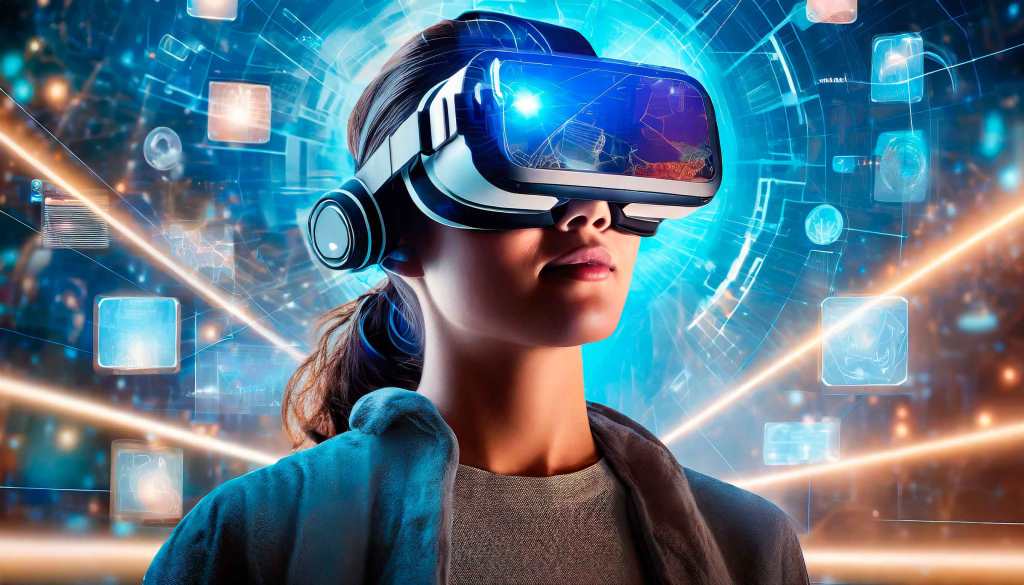
Virtual and Augmented Reality: Redefining Visual Experiences in the Digital Realm
The potential of virtual and augmented reality in graphic design is vast. In the near future, we can anticipate designers creating fully immersive virtual environments for brands, enhancing user engagement in unprecedented ways. AR-enhanced marketing materials might include interactive product previews, allowing consumers to visualize items in their own space before making a purchase decision.
Exploring this immersive landscape is made possible through:
- Unity 3D: A powerful game development engine widely used for creating immersive virtual environments.
- ARCore and ARKit: Software development kits for building augmented reality applications for Android and iOS devices, respectively.
- SketchAR: An app that allows designers to create AR-enhanced sketches and bring them to life using augmented reality.
Artificial Intelligence and Machine Learning: Revolutionizing Design Workflows
As AI and machine learning algorithms become more sophisticated, designers will find themselves equipped with tools that not only automate routine tasks but also offer intelligent suggestions based on user behavior and design history. These technologies may soon be able to predict design trends by analyzing vast amounts of data, enabling designers to stay ahead of the curve in terms of aesthetics and user preferences.
Guiding the evolution of design workflows are:
- Adobe Sensei: Adobe’s AI and machine learning framework integrated into Creative Cloud applications, offering features like auto-tagging and content-aware fill.
- RunwayML: An AI toolkit that enables designers to integrate machine learning models into their creative projects without extensive coding.
- DALL-E by OpenAI: A generative model that creates images from textual descriptions, showcasing the potential of AI in visual content creation.

Generative Design: Unleashing Limitless Creativity through Algorithmic Artistry
Generative design techniques leverage algorithms to create designs that evolve and adapt based on predefined parameters. This opens up possibilities for creating highly complex and organic visuals that would be challenging to produce through traditional methods, offering a fresh approach to visual storytelling and branding.
The concept of generative design goes beyond aesthetics. It can be a powerful tool for designers to explore unique and unexpected visual solutions. Imagine a design system that evolves in real-time based on user interactions, providing a dynamic and personalized experience for each viewer.
Fueling this creative exploration are:
- Autodesk Generative Design: Allows designers to explore numerous design options by defining parameters and letting algorithms generate variations.
- Artbreeder: An online platform that lets users create and share generative art by blending and modifying images using AI algorithms.
- Houdini: A 3D animation and visual effects software that incorporates procedural generation, enabling the creation of complex and dynamic designs.

3D and Motion Graphics: Crafting Dynamic Visual Narratives Across Dimensions
The demand for 3D and motion graphics continues to grow, driven by advancements in rendering technology and increased accessibility of 3D design tools. As a result, designers are exploring new dimensions in their work, creating captivating animations, product visualizations, and dynamic visuals for a wide range of applications.
With advancements in 3D rendering and design tools, we can anticipate a surge in dynamic visual storytelling. This could manifest in virtual product launches, interactive web experiences, and engaging social media campaigns that leverage the depth and movement of 3D and motion graphics to captivate audiences.
Bringing these narratives to life are:
- Cinema 4D: A 3D modeling, animation, and rendering application widely used for motion graphics.
- Blender: An open-source 3D content creation suite suitable for everything from modeling to animation and rendering.
- Adobe After Effects: Industry-standard software for motion graphics and visual effects, seamlessly integrated with other Adobe Creative Cloud applications.
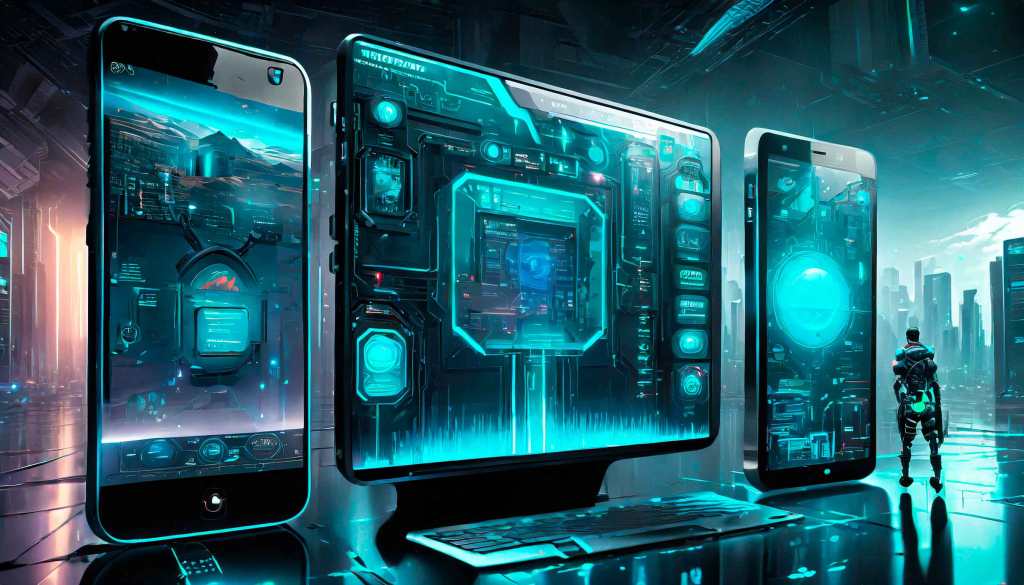
Responsive and Adaptive Design: Designing for Every Screen, Every Experience
With the proliferation of various devices and screen sizes, designers are embracing responsive and adaptive design principles to ensure that their visuals are impactful and engaging across different platforms. This shift requires designers to think beyond static layouts and consider the fluidity and flexibility of their designs.
The challenge for designers will be to create visuals that seamlessly adapt to various screen sizes and orientations. This goes beyond responsive web design; it involves considering how visuals will appear on diverse platforms, from smartwatches to large-scale displays, without compromising their impact.
Navigating this challenge is facilitated by:
- Figma: A collaborative design tool that supports the creation of responsive designs and allows real-time collaboration among designers.
- Adobe XD: Enables designers to create prototypes that adapt to various screen sizes, providing a comprehensive view of the user experience.
- Responsive Design Mode in Web Browsers: Built-in tools in web browsers like Chrome and Firefox that allow designers to preview and test how a website looks on different devices.
Sustainable Design Practices: Shaping a Greener, Ethical Future for Digital Visuals
The increasing focus on sustainability has sparked a movement towards environmentally conscious design practices. From eco-friendly materials and production techniques to designing for circularity and longevity, digital graphic designers are embracing the challenge of creating visually compelling content with a minimal environmental impact.
Guiding this shift towards sustainability are:
- Ecofont: A typeface designed with small holes to reduce ink usage when printing, promoting sustainability in print materials.
- Adobe Eco-Calculator: An online tool that estimates the carbon footprint of a design project, helping designers make environmentally conscious choices.
- Sustainable Color Palette Generators: Tools that suggest color palettes with low environmental impact, considering factors like display energy consumption.
Personalization and Data-Driven Design: Tailoring Visual Content to Captivate Audiences
The era of personalization is upon us, with data-driven insights driving the customization of visual content to cater to individual preferences and behaviors. Designers are leveraging data analytics and user insights to create tailored experiences that resonate with their audiences on a deeper level.
Fueling this era of personalization are:
- Dynamic Yield: A personalization platform that utilizes machine learning to deliver personalized content across various digital channels.
- Google Analytics: Provides insights into user behavior, helping designers understand audience preferences and optimize designs accordingly.
- Optimizely: An experimentation platform that allows designers to test and personalize different design variations based on user data.
Collaborative Workflows and Remote Design: Embracing the New Frontier of Design Collaboration
As remote work becomes more prevalent, digital graphic design tools are evolving to foster seamless collaboration and communication among distributed teams. From cloud-based design platforms to virtual co-creation tools, designers are embracing new ways of working together, irrespective of physical location.
Facilitating this shift towards collaboration are:
- Miro: An online collaborative whiteboard platform that facilitates real-time collaboration for design teams.
- Figma (again): Known for its collaborative features, Figma allows multiple designers to work on the same project simultaneously, fostering remote collaboration.
- InVision: A platform that supports collaboration, prototyping, and design handoff, streamlining the communication between design and development teams.
Ethical and Inclusive Design: Fostering an Emphatic, Culturally Aware Visual Landscape
Designers are increasingly recognizing the importance of ethical and inclusive design practices, striving to create visuals that are accessible to diverse audiences and respectful of cultural sensitivities. This shift is reshaping design choices and strategies, encouraging empathy and consideration for the broader impact of visual communication.
Guiding this transformation towards inclusivity are:
- Color Safe: Ensures accessible color choices for text and background, considering color contrast and readability.
- Microsoft Inclusive Design Toolkit: Provides resources and guidelines for creating inclusive designs that consider a diverse range of abilities and perspectives.
- WAVE Web Accessibility Evaluation Tool: Helps designers identify and rectify accessibility issues in web designs, promoting inclusivity.
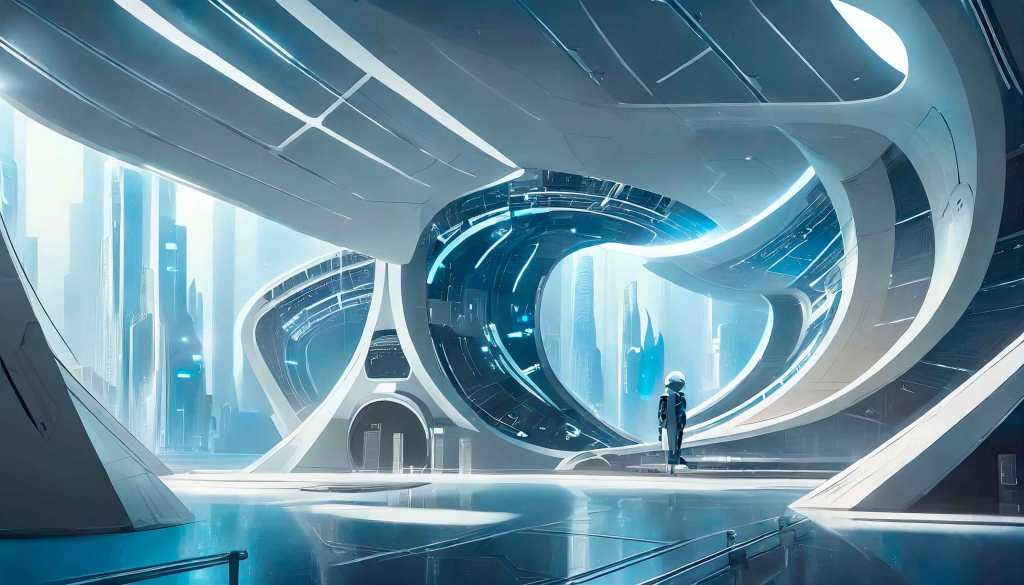
The Intersection of Design and Technology: Harnessing Innovation to Redefine Design Boundaries
The boundaries between design and technology continue to blur, leading to interdisciplinary collaborations and the emergence of new design-centered tech innovations. Whether it’s integrating design thinking into technological development or leveraging tech advancements to enhance design capabilities, the synergy between design and technology will shape the future of digital graphic design.
In the dynamic convergence of design and technology, new tools are reshaping the landscape, fostering interdisciplinary collaborations and introducing groundbreaking innovations. Sketch stands as a versatile design tool that facilitates intuitive interfaces, while GitHub serves as a collaborative platform, enabling seamless version control and team collaboration. Adobe Aero, on the other hand, exemplifies the fusion of design and augmented reality, allowing designers to create immersive experiences that redefine traditional design boundaries.
Guiding the innovation at this intersection are:
- Sketch: A powerful design tool for creating user interfaces and interactive prototypes.
- GitHub: A collaborative platform that provides version control and facilitates team collaboration in software development.
- Adobe Aero: An augmented reality authoring tool that empowers designers to blend digital content with the real world, pushing the boundaries of traditional design.
These tools showcase how the intersection of design and technology is not just about adopting new methodologies but embracing a transformative approach that redefines the very nature of design within the digital landscape.
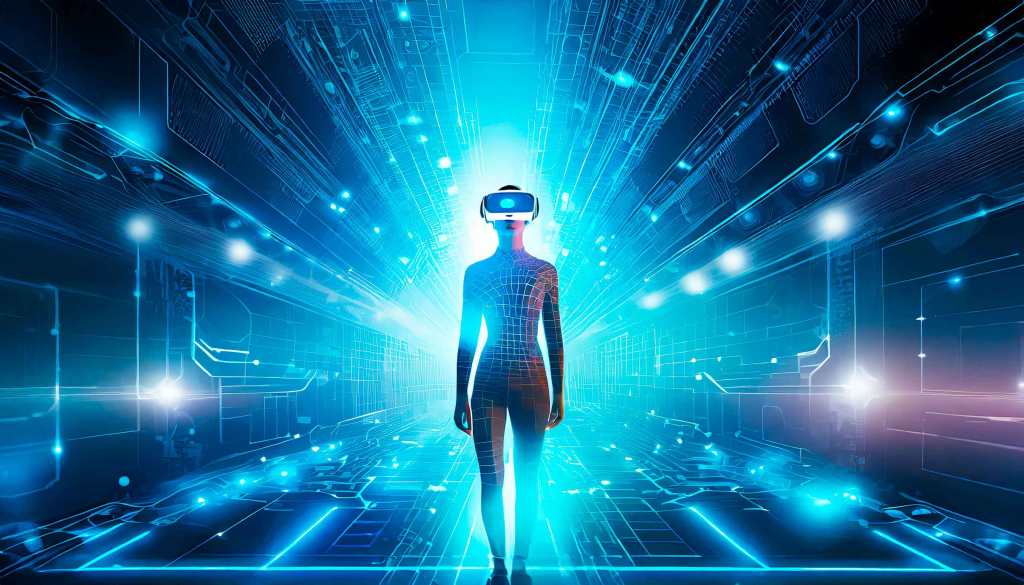
In conclusion, the future of digital graphic design is paved with exciting opportunities driven by emerging technologies and innovations. As designers embrace these advancements, they’ll be empowered to create more immersive, personalized, and sustainable visual experiences. By staying at the forefront of these trends and adapting to the evolving landscape of digital design, designers can continue to push the boundaries of creativity and impact in the digital realm.
Amid this dynamic landscape, the integration of cutting-edge tools becomes the catalyst for transformation. Tools like Unity 3D, ARCore, and ARKit redefine how designers craft virtual and augmented realities, offering the potential to revolutionize visual storytelling. In the realm of artificial intelligence, Adobe Sensei and RunwayML streamline design workflows, automating tasks and providing intelligent insights, thereby allowing designers to focus on the essence of their creative vision. Moreover, generative design tools such as Autodesk Generative Design and Artbreeder empower designers to explore new dimensions of creativity, unleashing limitless possibilities through algorithmic artistry. These tools are not just instruments; they are the paintbrushes that enable designers to shape the future of digital graphic design with unprecedented vision and ingenuity.
About ChromArtDesigns
«Meet the masterminds at ChromArtDesigns.com, where every pixel is meticulously pampered, every post is poetry, and every brand shines brighter than the rest. Unleashing creativity, one design at a time.»
 ChromArtDesigns
Deja un comentario